16 Game Changing Minimalist Kitchen Decor Rules That Simplify Life
You know that quiet moment early in the morning when the kitchen is still, and everything feels easy? That’s what a well-thought minimalist kitchen gives you. Not empty shelves or strict rules, but a space where things are simple enough to breathe. A neutral palette softens the room, natural materials make it feel grounded, and nothing fights for your attention. It’s the kind of kitchen where your coffee routine becomes slower, where cleaning up doesn’t feel overwhelming, and where everything you reach for actually earns its place. Minimalist decor, when done right, isn’t about removing personality—it’s about letting the right details stand out. The soft light, the worn wood, the everyday objects you actually use. If you’ve been craving that kind of calm, here are 16 different designs to inspire you.
1. Clear Counter Morning Rule
This feels instantly lighter the moment you walk in.
Nothing extra, just what you actually use.
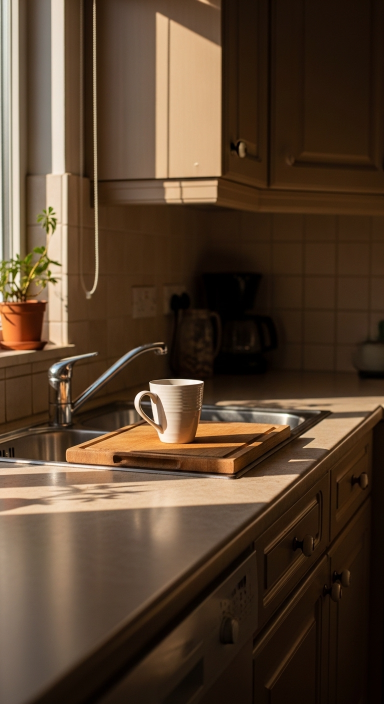
The layout keeps counters mostly open, especially around the sink and prep zone. Soft beige cabinets blend into the walls, keeping things calm. A wooden cutting board rests near the sink, always ready. Only one ceramic mug sits out, like someone just made coffee. Morning light hits the surface, making it feel fresh every day. This works really well if your space feels small—less visual clutter makes everything easier to manage.
2. One Shelf Styling Rule
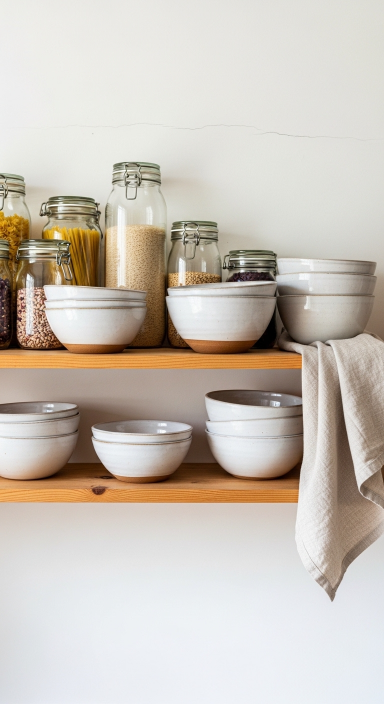
It feels personal without being busy.
Just one spot to show a little life.
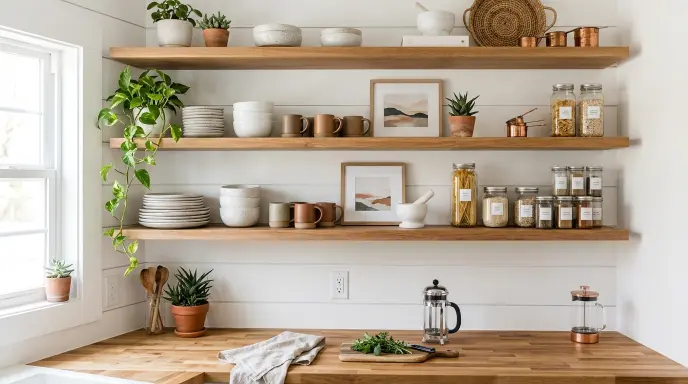
Instead of filling the whole wall, there’s one open shelf above the counter. Warm white tones keep it soft. A few ceramic bowls, a glass jar of pasta, and a folded linen cloth sit loosely arranged. The rest stays closed behind cabinets. Sunlight gently highlights the shelf in the afternoon. You’d probably end up adjusting this little corner often—it becomes your everyday styling moment.
3. Hidden Storage Calm Rule
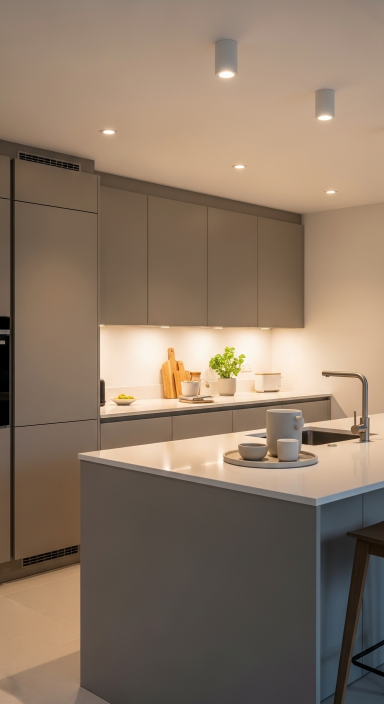
This one feels almost effortless.
Everything is there, just out of sight.
Flat, handleless cabinets in a soft taupe tone keep the space smooth. Storage is built deep, so appliances disappear after use. The layout is slightly U-shaped, making movement easy while cooking. A fruit bowl sits quietly on the counter, nothing else competing. Under-cabinet lighting helps in the evenings without harsh brightness. It makes busy mornings feel easier because nothing is in your way.
4. Soft Corner Coffee Rule
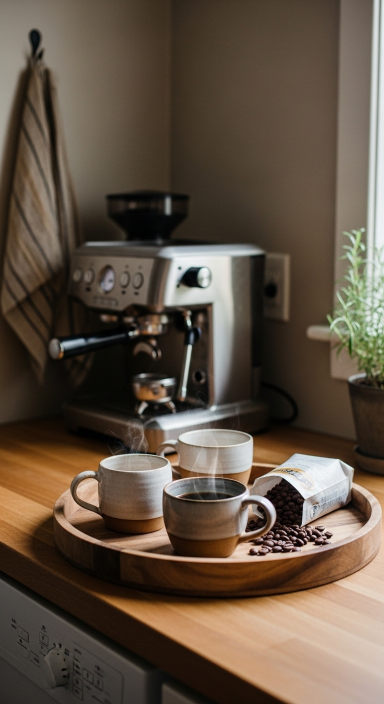
It feels like a small pause built into your kitchen.
Not fancy, just yours.
A small corner of the counter is dedicated to coffee. A wooden tray holds a kettle, two ceramic cups, and a jar of sugar. The rest of the kitchen stays minimal. Pale grey cabinets sit in the background, letting the corner stand out softly. Morning light lands right on this spot. You’d probably end up using this corner every day without thinking.
5. Soft Grey Flow Rule
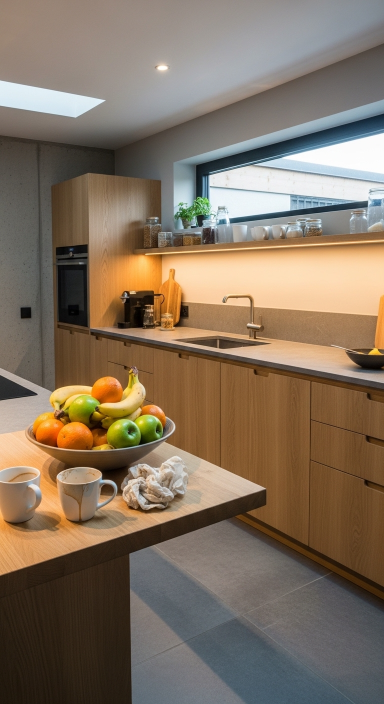
It feels steady and easy to move around.
Nothing interrupts the flow.
The kitchen opens into the living area, making it feel larger. Soft grey cabinets keep it grounded. A simple island holds a bowl of fruit and maybe a phone left behind. Pendant lighting adds warmth in the evening. The layout lets you move naturally between cooking and sitting. This is the kind of space you’d slow down in, even on a busy day.
6. Light Wood Simplicity Rule
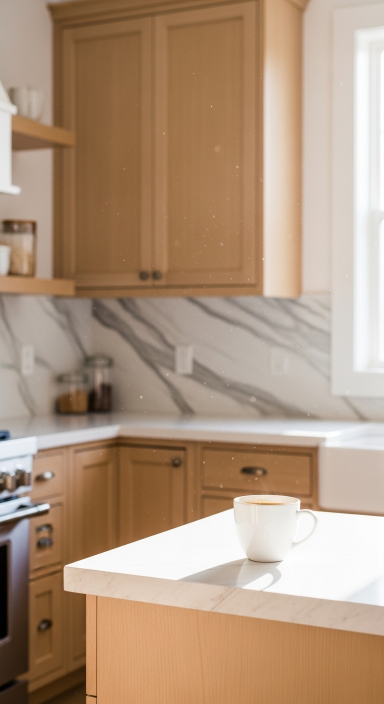
It feels warm without trying too hard.
Just quiet texture doing its job.
Light oak cabinets pair with soft white walls. A thin marble backsplash adds a subtle pattern. A mug sits near the stove, like someone just stepped away. The layout is compact but open enough to breathe. Natural light brings out the grain in the wood. It feels lived-in without trying too hard.
7. Narrow Space Efficiency Rule
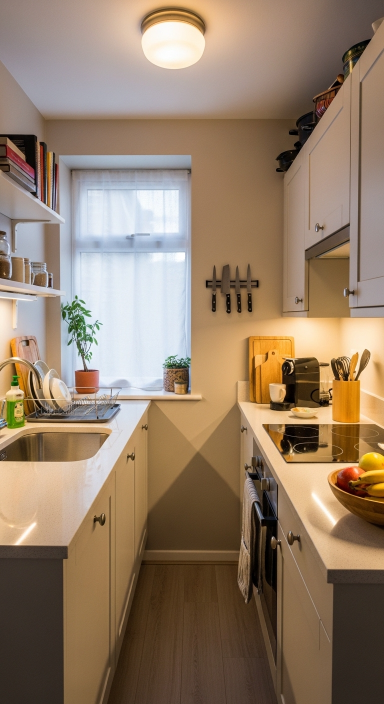
This one is made for real apartment living.
Everything is within reach.
A galley layout keeps both sides functional. Pale taupe cabinets blend into the walls. Slim shelves hold daily items like spices and oil. A small wooden board leans near the stove. Overhead lighting fills in the narrow space. This works really well if your space feels tight—you don’t have to move much to get things done.
8. Soft Linen Window Rule
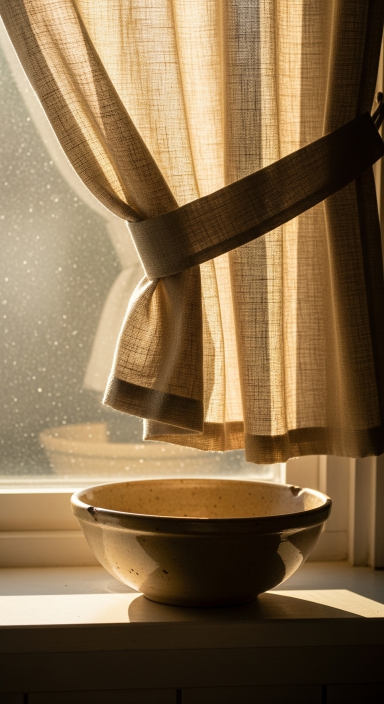
It feels soft the moment sunlight comes in.
Almost like the room breathes with it.
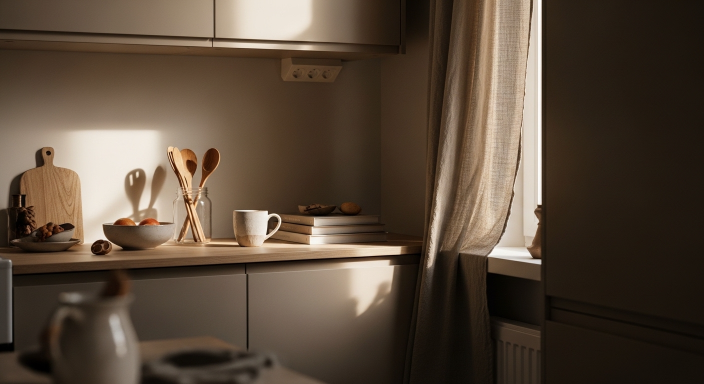
A simple window with a light linen curtain becomes the focus. Cream cabinets sit quietly around it. A ceramic bowl with fruit rests below the window. The layout stays minimal so the light can move freely. In the morning, sunlight lands directly on the counter. You’d probably find yourself standing here longer than needed.
9. Minimal Island Habit Rule
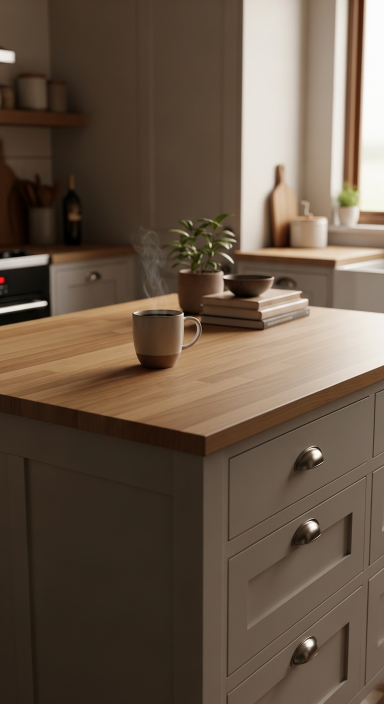
It’s not just for looks—it’s used all day.
From coffee to quick meals.
A small island sits in the center, with a wooden top. The rest of the kitchen stays simple with light grey cabinets. A mug or plate is often left here mid-use. Pendant lights hang low, adding warmth. Storage underneath keeps clutter away. It makes daily routines feel smoother because everything gathers in one place.
10. Matte Black Accent Rule
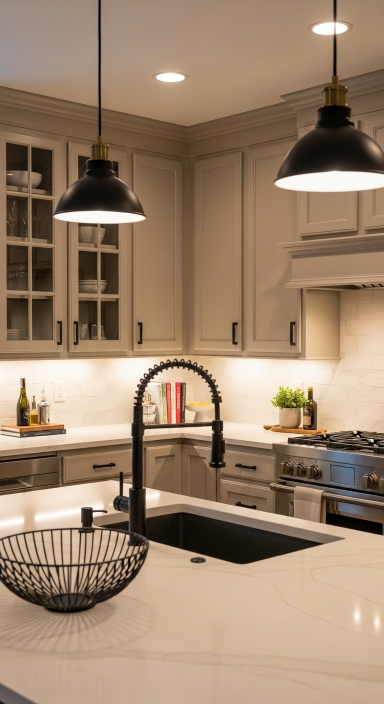
A little contrast, nothing overwhelming.
Just enough to ground the space.
Warm beige cabinets are paired with matte black handles and fixtures. The layout is open but controlled. A simple tray near the sink holds soap and a cloth. Lighting stays soft to balance the darker accents. This adds depth without making the kitchen feel heavy.
11. Closed Cabinet Calm Rule
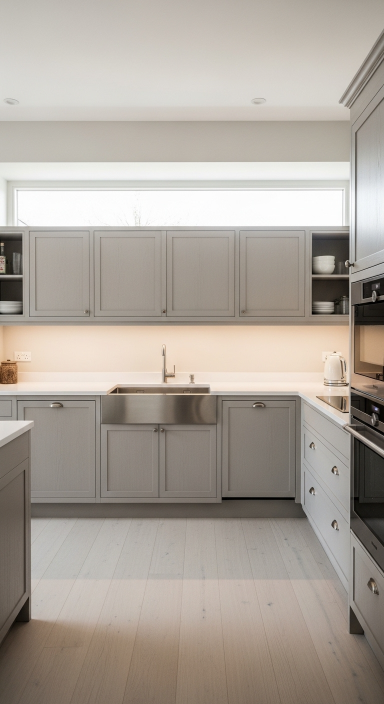
Everything feels quiet here.
No visual noise at all.
Full-height cabinets hide everything behind smooth doors. A soft cream tone keeps it warm. The layout is linear, great for smaller homes. Only a kettle sits out on the counter. Lighting is gentle and even. It makes cleaning feel quick because there’s less to manage visually.
12. Natural Stone Touch Rule
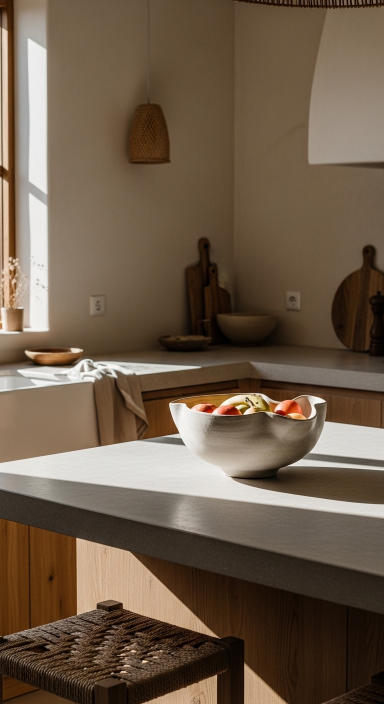
It feels grounded and slightly raw.
Not polished in a perfect way.
A stone countertop brings texture into the space. Cabinets are soft off-white to keep balance. A bowl with lemons sits casually on the counter. The layout is open with plenty of prep space. Sunlight highlights the uneven surface of the stone. It feels real, like a kitchen that’s actually used.
13. Soft Lighting Evening Rule
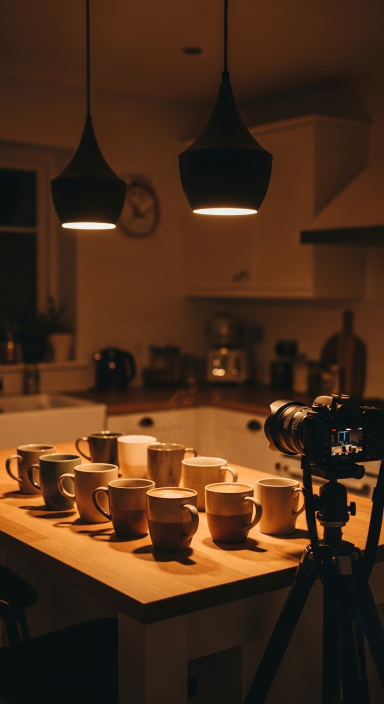
This one changes at night.
It becomes softer, quieter.
Warm pendant lights hang above the counter. Cabinets are light grey, reflecting the glow. A couple of mugs sit near the edge. The layout is open but intimate. Evening lighting makes everything feel slower. You’d probably linger here after dinner without rushing away.
14. Minimal Hooks Utility Rule
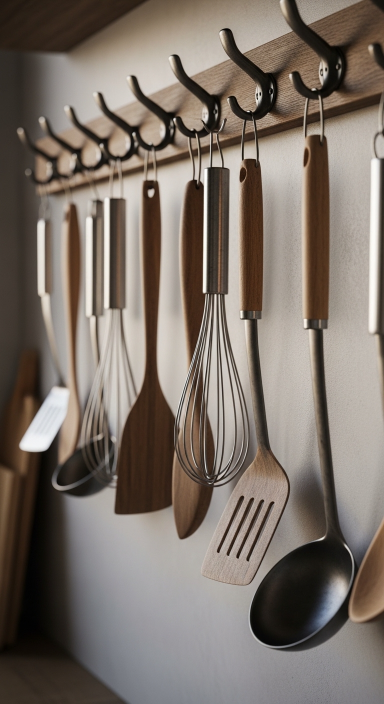
Simple but surprisingly useful.
You reach for things without thinking.
A small section of wall has wooden hooks. A towel and a pan hang casually. The rest of the kitchen stays minimal. Cabinets are soft beige with a matte finish. Natural light hits the wall in the afternoon. This works really well if you cook often—things stay within easy reach.
15. Two-Tone Balance Rule
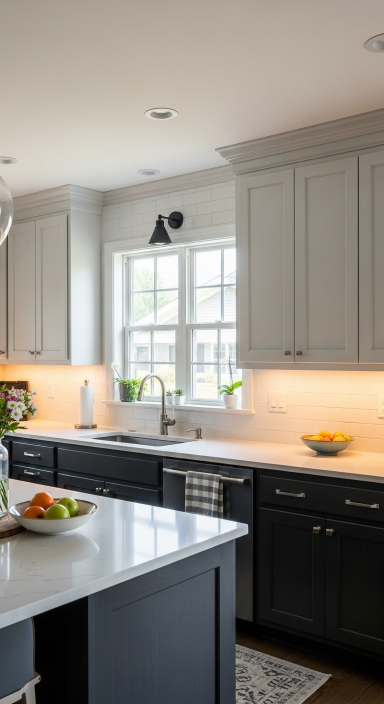
It feels balanced, not flat.
Just enough contrast to keep it interesting.
Upper cabinets are off-white, while lower ones are a muted greige. The layout includes a small island. A wooden tray holds oil bottles. Lighting stays soft to blend the tones. It helps define zones without adding clutter.
16. Small Table Integration Rule
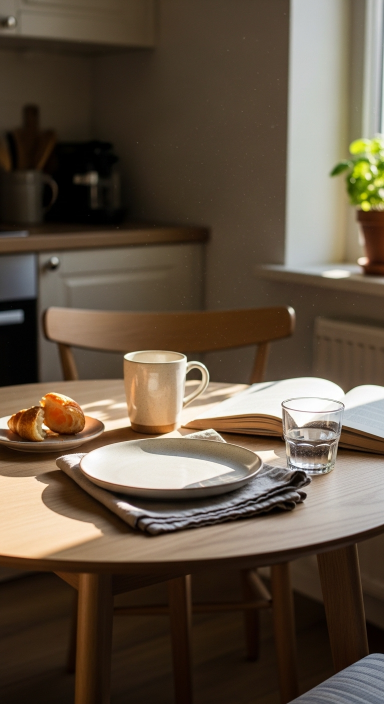
It feels more like a living space.
Not just for cooking.
A small table sits near the window. Cabinets are light oak, keeping it warm. A plate or book might be left behind. The layout works well for apartment kitchens. Sunlight makes the table the most inviting spot. You’d probably end up sitting here longer than planned.
Conclusion
Minimalist kitchens have a quiet way of fitting into real life. They don’t ask for perfection—they just make everyday routines feel lighter. Neutral tones, simple layouts, and thoughtful details create a space that doesn’t overwhelm you. Whether it’s a small apartment kitchen or a more open setup, the idea stays the same: keep what you use, let go of what you don’t, and make room for the moments that matter. Over time, these small choices shape how the space feels day after day. Some kitchens feel cozy, some feel airy, some feel quietly practical—and all of them work in their own way. Which one feels most like your kitchen? I’d love to hear what you’d try in your own space.